
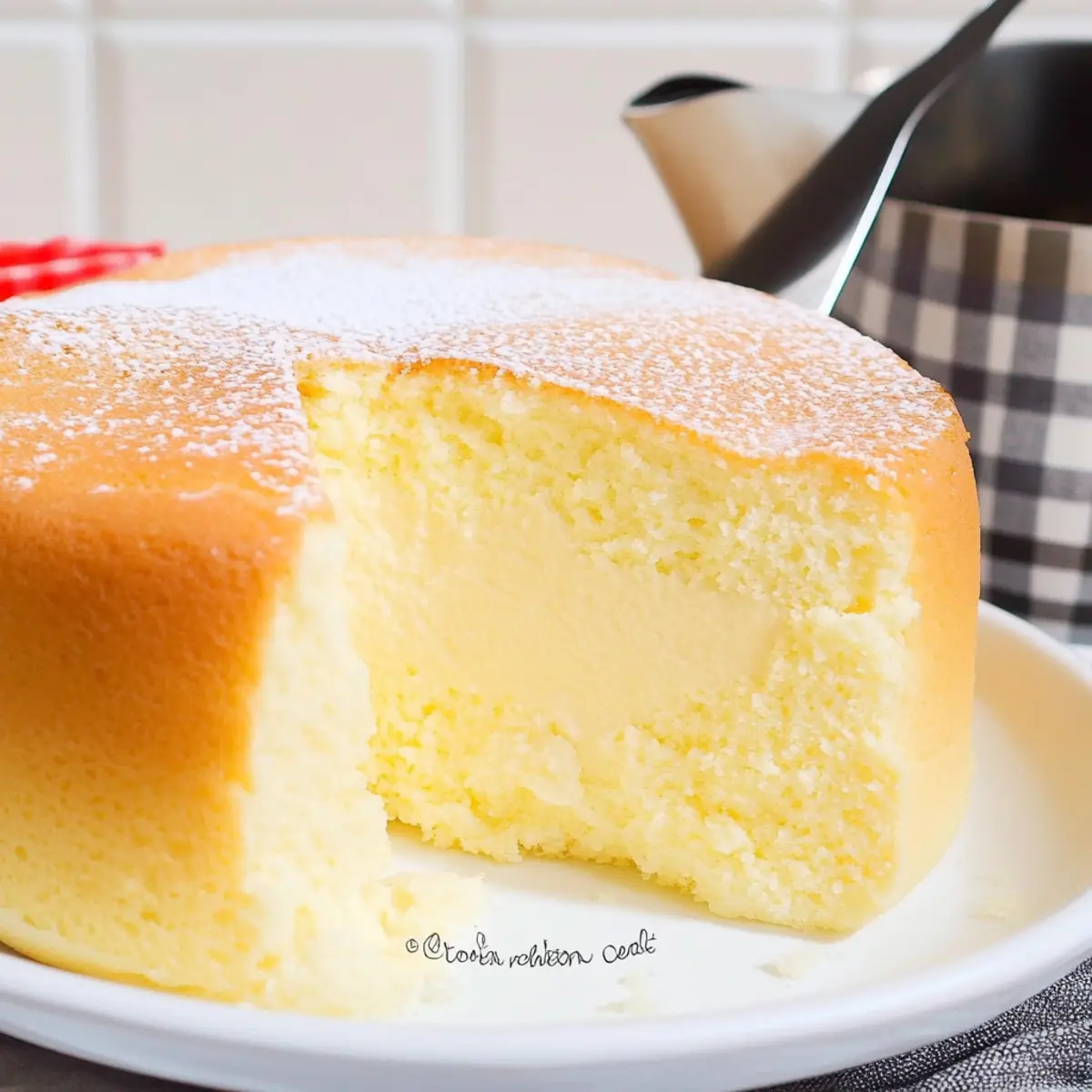
There’s something delightfully enchanting about the first bite of a Japanese cheesecake. As I pulled my freshly baked creation from the oven, the soft, billowy texture gracefully jiggled, capturing the very essence of lightness. This is not just any cheesecake; it’s a fluffy masterpiece that melds a subtle sweetness with a hint of tartness from fresh lemon zest, inviting you into a world where indulgence meets airy simplicity.
Perfectly suited for those who crave a dessert that’s rich yet incredibly light, this traditional Japanese cotton cheesecake is destined to impress. It’s a breezy alternative to heavier cheesecakes, allowing you to savor each slice without the guilt. Whether you’re hosting loved ones or simply treating yourself, this recipe offers a delectable experience—a comforting hug in dessert form. Plus, with suggestions for gluten-free adaptations and flavor variations, you can make it your own! Dive into this delightful journey of taste and texture, and prepare to be enchanted by every fluffy bite.
Why love Japanese Cheesecake so much?
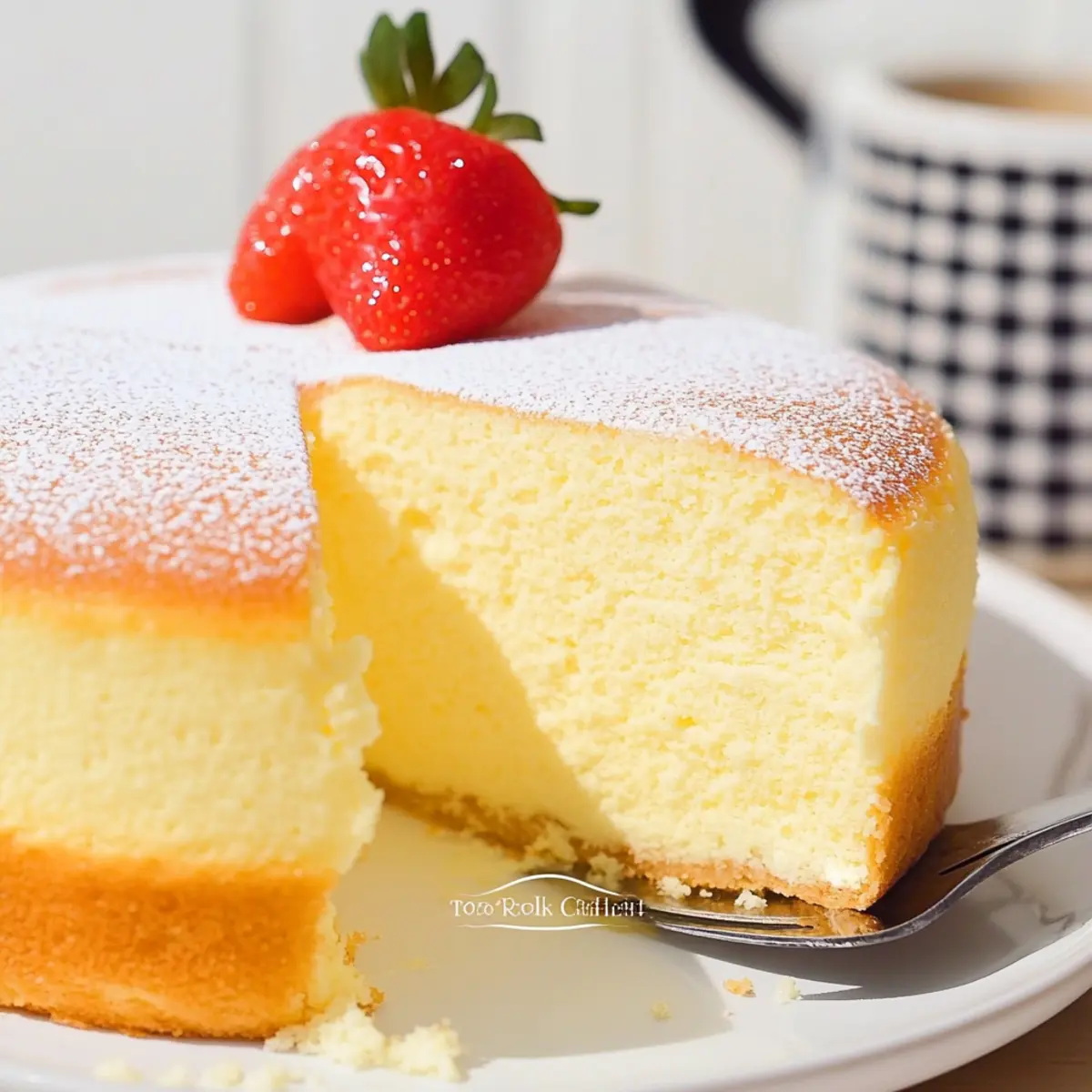
Indulgence without the heaviness: This cheesecake wonderfully combines rich flavors with a light, airy texture, making it a delightful treat. Crowd-pleaser: Serve it at gatherings, and watch everyone rave about its unique fluffiness. Versatile options: From gluten-free twists to flavor swaps, there’s a version for everyone. Quick and easy: With straightforward steps, you can impress without spending hours in the kitchen. A beautiful presentation: Its golden top and creamy interior make it as stunning as it is delicious.
Discover the Japanese Cheesecake Ingredients
For the Batter
- Eggs – Large eggs, separated, provide essential structure and leavening for that perfect fluff.
- Cream Cheese – Softened cream cheese serves as the main flavor base, ensuring creaminess and richness in every bite.
- Heavy Cream – Adds moisture for a richer taste; full-fat milk can work as a substitute.
- Unsalted Butter – Chop into small pieces to enhance creaminess and flavor through uniform melting.
- Cake Flour – This is key for a tender texture; replace with a mix of all-purpose flour and cornstarch if needed (½ cup minus 1 tbsp + 1 tbsp cornstarch for each ½ cup).
- Lemon Zest – One tablespoon of this zest (about one lemon) brightens the flavor, adding a lovely tang—definitely recommended!
- Vanilla Extract – Including 1½ teaspoons deepens the flavor; however, this is optional.
- Granulated Sugar – Sweetness and stabilization come from ⅓ cup of this sugar, perfectly balancing the cheesecake.
- Lemon Juice – Two teaspoons enhance flavor while promoting meringue stability; don’t skimp on this!
By gathering these ingredients, you’re on your way to crafting a delightful Japanese cheesecake that promises to enchant your palate and impress your guests!
How to Make Japanese Cheesecake
Preheat your Oven
Start by preheating your oven to 300°F (150°C). This important step ensures your cheesecake bakes evenly, creating that perfect fluffy texture.Prepare the Pan
Line the bottom of an 8-inch round cake pan with parchment paper. This will make it easier to release your cheesecake once baked, avoiding any sticky situations.Set up a Water Bath
In your oven, place a 9×9 pan filled halfway with hot water. This water bath will help keep the cheesecake moist while it bakes.Melt Cream Cheese Mixture
In a heatproof bowl, combine cream cheese, unsalted butter, and heavy cream over a bain-marie (double boiler). Stir until smooth and creamy, creating a luscious base for your cheesecake.Incorporate Egg Yolks
Remove the bowl from heat. Mix in the separated egg yolks, then sift in the cake flour. Add lemon zest and vanilla extract, stirring gently until well-blended. Set this creamy mixture aside.Whip Egg Whites
In a clean bowl, whip the egg whites with lemon juice until frothy. Gradually add granulated sugar, whipping until medium-soft peaks form. This step is crucial for achieving that airy texture!Fold in Meringue
Gently fold the whipped egg whites into the cream cheese mixture in three additions. Be careful to maintain the airiness—this is what makes your cheesecake light and fluffy!Bake the Cheesecake
Pour the batter into the prepared pan and give it a gentle tap to release any trapped air bubbles. Bake for 80-90 minutes or until the top is lightly golden brown.Cool the Cheesecake
Once baked, let the cheesecake cool on its side, rotating the pan regularly to prevent sticking. After it cools completely, it’s ready for serving.
Optional: Dust with powdered sugar before serving for a lovely, elegant touch.
Exact quantities are listed in the recipe card below.
Expert Tips for Japanese Cheesecake
- Oven Accuracy: Use a reliable oven thermometer to ensure accurate baking temperature for perfect results; even a slight variation can affect texture.
- Water Bath Importance: Employing a water bath is crucial for moisture retention; skipping this step can lead to a dry cheesecake.
- Gentle Folding: Be gentle when folding the meringue into the cream cheese mixture to maintain airiness; over-mixing can lead to a dense texture.
- Watch Baking Time: Keep an eye on the baking time—check for a lightly golden top but avoid over-baking, which can lead to cracks.
- Cooling Technique: Allow the cheesecake to cool on its side; this helps prevent sticking and ensures a smooth release from the pan.
- Creative Variations: Don’t hesitate to experiment with flavors like matcha or different citrus zests in your Japanese cheesecake to make it uniquely yours!
How to Store and Freeze Japanese Cheesecake
Fridge: Store leftover Japanese cheesecake in an airtight container in the fridge for up to 3-4 days. This will keep it fresh while preserving its light, fluffy texture.
Freezer: Freeze cheesecake for up to 2 months, but wrap it tightly in plastic wrap or store it in an airtight container to prevent freezer burn.
Thawing: Thaw the cheesecake in the fridge overnight before serving. This method helps retain its delicate texture and flavor.
Reheating: If desired, you can lightly warm individual slices in the microwave for about 10-15 seconds to bring back that fresh-baked sensation.
Variations & Substitutions for Japanese Cheesecake
Invite your creativity into the kitchen with fun twists and modifications for this delightful cheesecake!
Gluten-Free: Substitute cake flour with a ½ cup all-purpose flour mixed with 1 tablespoon of cornstarch for a light gluten-free version.
Dairy-Free: Use coconut cream instead of heavy cream and dairy-free cream cheese for a lactose-free alternative. You won’t lose the creamy texture!
Flavor Infusions: Add 1-2 tablespoons of matcha powder for a beautiful green tea twist or swap lemon zest with orange or lime for a citrusy kick.
Chocolate Lovers: Fold in ¼ cup cocoa powder or melt dark chocolate into the cream cheese mixture for a rich chocolate version that’s to die for.
Increased Sweetness: If you prefer a sweeter dessert, increase the granulated sugar to ½ cup and consider adding some chocolate chips.
Fruity Flair: Top with fresh berries or fruit preserves before chilling to enjoy bright, fruity notes with each slice.
Nutty Surprise: Incorporate ground almonds or hazelnuts into the batter for a nutty flavor throughout, adding depth and interest.
Spice it Up: Mix in a pinch of cinnamon or nutmeg to the batter for a hint of warmth that adds complexity to the cheesecake.
Each of these variations offers an exciting opportunity to explore flavors while keeping the essence of the Japanese cheesecake intact. Enjoy customizing to your heart’s content!
Make Ahead Options
These Light and Fluffy Japanese Cotton Cheesecakes are perfect for busy home cooks looking to save time! You can prepare the cheesecake batter up to 24 hours in advance; simply whip everything together and store it in an airtight container in the refrigerator. The baked cheesecake can also be refrigerated for up to 3 days before serving. Allow it to cool completely, wrap tightly in plastic wrap, and refrigerate. For the best results, wait to dust with powdered sugar or add any garnishes until just before serving to maintain freshness. With these make-ahead tips, you’ll have a delightful dessert ready with minimal last-minute effort!
What to Serve with Japanese Cheesecake?
Imagine a delightful meal where every bite embraces the airy charm of your cheesecake, weaving in flavors and textures that complement its fluffy nature.
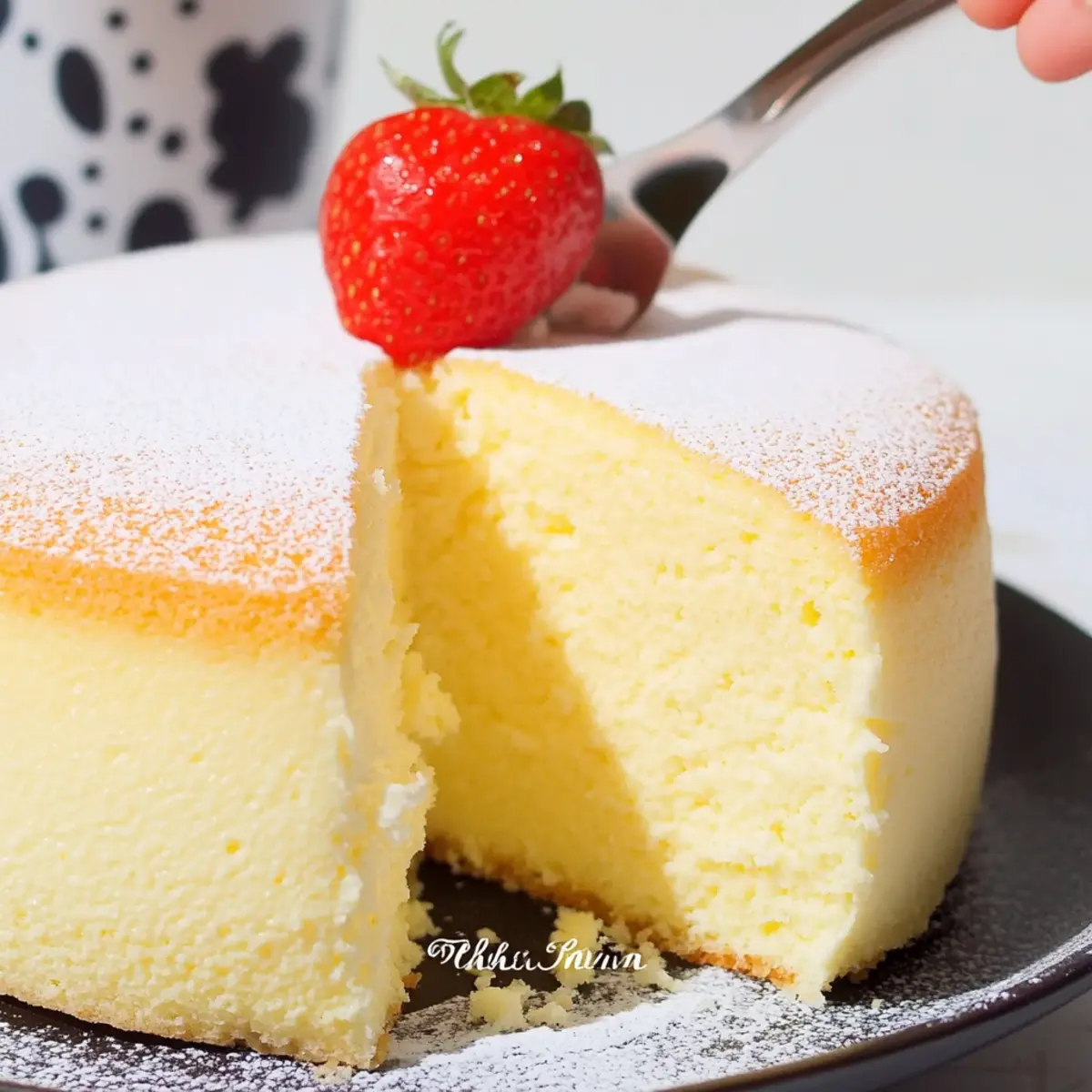
- Fresh Berries: The natural sweetness and tartness of berries like strawberries, blueberries, or raspberries add a burst of freshness that enhances your dessert experience.
- Whipped Cream: Lightly sweetened whipped cream is the perfect cloud-like addition, providing a creamy contrast and enhancing the cheesecake’s airy structure.
- Matcha Tea: A warm cup of matcha offers a subtle earthiness that pairs beautifully with the cheesecake’s light texture, making for a serene afternoon treat.
- Coffee: A rich, bold cup of coffee stands up well against the mild sweetness, providing a lovely contrast that awakens the palate.
- Citrus Glaze: A simple glaze made from lemon or orange juice mixed with powdered sugar drizzled on top elevates the cheesecake’s tangy notes—a delightful crown for this fluffy treat.
- Chocolate Sauce: Drizzled over the cheesecake, this indulgent addition adds a luscious layer of richness without overpowering the dish’s lightness.
Serve your Japanese cheesecake with these delightful pairings to create a harmonious blend of flavors that will impress family and friends alike.
Japanese Cheesecake Recipe FAQs
What kind of eggs should I use for the Japanese cheesecake?
I recommend using large eggs for this recipe, separated into yolks and whites. The egg whites are whipped to create that light, airy texture characteristic of Japanese cheesecake, while the yolks add richness to the batter.
How should I store leftover Japanese cheesecake?
Store your leftover Japanese cheesecake in an airtight container in the refrigerator for up to 3-4 days. This helps maintain its delightful texture while keeping it fresh. If you want to enjoy it later, freezing is an option!
Can I freeze Japanese cheesecake?
Absolutely! You can freeze the cheesecake for up to 2 months. Wrap it tightly in plastic wrap or place it in an airtight container to prevent freezer burn. When you’re ready to indulge, let it thaw overnight in the refrigerator for the best results.
What if my cheesecake cracks while baking?
If your cheesecake cracks, don’t worry! It can happen if it bakes too long or the oven temperature is too high. To prevent this, monitor baking closely and ensure your oven is the right temperature—using a reliable oven thermometer can be very helpful.
Are there any dietary considerations for this cheesecake?
This Japanese cheesecake can be made gluten-free by substituting the cake flour with a blend of all-purpose flour and cornstarch, as noted in the ingredient breakdown. Also, ensure there are no allergies to eggs or dairy in guests if serving.
How do I know when my cheesecake is done baking?
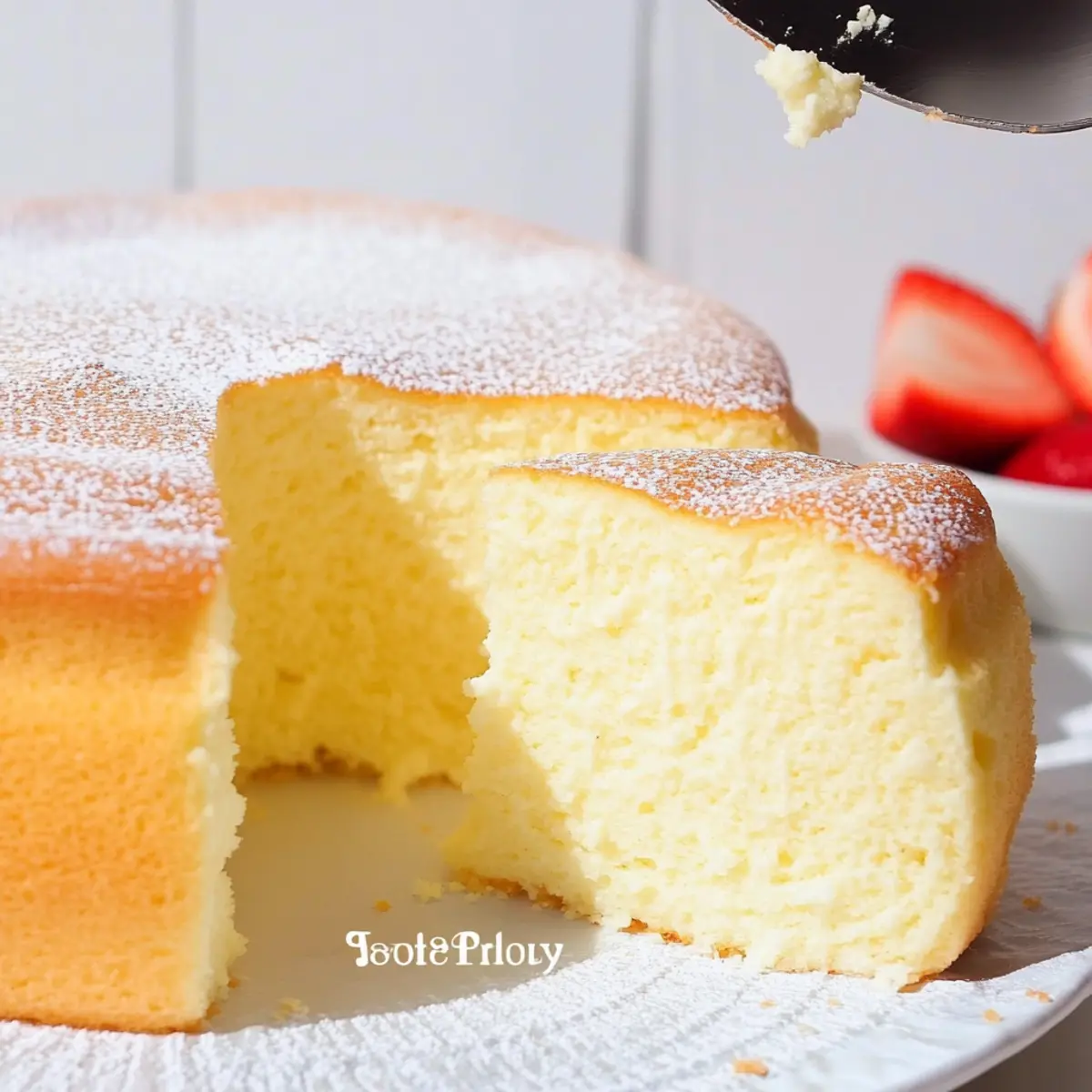
Your cheesecake is done when the top is a light golden brown and the center jiggles slightly when you gently shake the pan. It should look set but not overcooked; if you see cracks, the baking time may have been too long.
Light and Fluffy Japanese Cheesecake You’ll Crave Again!
Ingredients
Equipment
Method
- Preheat your Oven to 300°F (150°C).
- Prepare the Pan by lining the bottom of an 8-inch round cake pan with parchment paper.
- Set up a Water Bath by placing a 9x9 pan filled halfway with hot water in your oven.
- Melt the Cream Cheese Mixture over a bain-marie, stirring until smooth.
- Incorporate Egg Yolks into the mixture, then sift in the cake flour, adding lemon zest and vanilla.
- Whip Egg Whites with lemon juice until frothy, gradually adding granulated sugar until medium-soft peaks form.
- Fold in the whipped egg whites into the cream cheese mixture in three additions.
- Pour the batter into the prepared pan and bake for 80-90 minutes until the top is golden brown.
- Cool the Cheesecake on its side, rotating the pan regularly to prevent sticking.
Leave a Reply